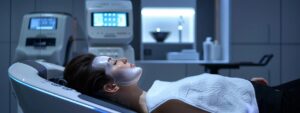
Alopecia treatment has become a major focus in modern medicine as more people experience unexpected or progressive hair loss. Alopecia is not just a cosmetic concern; it is a medical condition that can affect emotional well-being, confidence, and quality of life. Advances in regenerative and medical therapies now provide individuals with effective options to manage hair loss and support regrowth.
Alopecia can affect men, women, and even children. It may appear suddenly or develop gradually over time. Understanding the cause of hair loss is essential when choosing the most effective alopecia treatment. With proper medical evaluation and personalized care, many patients experience improved outcomes and restored confidence.
What Is Alopecia and Why Does It Occur?
Alopecia refers to hair loss that occurs when the immune system, hormones, genetics, or external stressors disrupt the hair growth cycle. Some forms cause patchy hair loss, while others lead to widespread thinning across the scalp. Alopecia treatment must be tailored to the specific type and severity of the condition.
Hair follicles can become dormant due to inflammation, reduced blood flow, or immune response. Medical clinics specializing in regenerative care focus on restoring scalp health using biologically supportive treatments rather than temporary cosmetic fixes.
Types of Alopecia That Require Medical Treatment
Several forms of alopecia exist, and each requires a different treatment approach. Alopecia areata is an autoimmune condition that causes patchy hair loss. Androgenetic alopecia, often referred to as pattern baldness, is linked to genetics and hormones. Telogen effluvium occurs due to stress, illness, or metabolic imbalance.
Proper diagnosis is critical. Clinics offering advanced regenerative evaluations often assess overall health factors such as inflammation, circulation, and metabolic balance before recommending a treatment plan. Addressing these factors plays a vital role in long-term alopecia treatment success.
Modern Alopecia Treatment Options Available Today
Alopecia treatment has evolved beyond topical solutions and medications. Regenerative therapies aim to stimulate natural hair regrowth by improving scalp circulation and follicle activity. One such option includes platelet-based regenerative techniques commonly used in medical settings.
These same regenerative principles are applied in therapies such as platelet-rich plasma therapy, which is also used for tissue repair and healing in other areas of the body. When applied to the scalp, regenerative treatments support follicle reactivation and healthier hair growth cycles.
How Regenerative Medicine Supports Alopecia Treatment
Regenerative medicine focuses on activating the body’s natural repair mechanisms. Alopecia treatment rooted in regenerative science works by delivering growth factors and healing signals directly to affected areas of the scalp.
This approach mirrors techniques used in advanced joint treatments and regenerative care for chronic conditions. By improving blood flow and reducing inflammation, regenerative alopecia treatments help follicles re-enter the active growth phase.
Who Is a Good Candidate for Alopecia Treatment?
Alopecia treatment is most effective for individuals who still have active or partially active hair follicles. Early intervention significantly improves results. Men and women experiencing recent hair loss or thinning are often ideal candidates.
Patients with underlying medical issues such as hormonal imbalance or metabolic disorders may require additional support. Addressing overall wellness through programs like medical weight loss can help stabilize internal factors that contribute to hair loss and improve treatment outcomes.
What to Expect During Alopecia Treatment
Alopecia treatment plans vary based on diagnosis and severity. Most medical-based treatments are minimally invasive and performed in a clinical setting. Sessions are designed to stimulate the scalp while minimizing discomfort and downtime.
Supportive therapies such as IV therapy are often incorporated to enhance nutrient delivery and recovery. These treatments help create an internal environment that supports cellular repair and sustained hair regrowth.
How Long Does Alopecia Treatment Take to Show Results?
Hair regrowth is a gradual process. Alopecia treatment does not produce instant results, but improvements typically become noticeable within several months. Reduced shedding is often the first sign of progress, followed by improved hair texture and density.
Consistency is key. Maintenance treatments may be recommended to sustain results and prevent future hair loss. Patients who commit to their treatment plan and follow medical guidance tend to achieve the best outcomes.
Safety and Effectiveness of Medical Alopecia Treatment
Alopecia treatment provided in a medical setting is generally safe when administered by trained professionals. Regenerative treatments use the body’s own biological materials, reducing the risk of adverse reactions.
Scientific studies referenced by the National Institutes of Health support the effectiveness of regenerative approaches for certain types of alopecia. Ongoing research continues to refine protocols and improve success rates.
Supporting Alopecia Treatment With Whole-Body Care
Hair health is closely linked to overall wellness. Stress management, hormonal balance, and inflammation control all play a role in treatment success. Clinics offering comprehensive care often combine alopecia treatment with wellness-focused services.
Patients exploring rejuvenation options such as aesthetic treatments or nutrient-based support through IV treatments often experience enhanced results.
Is Alopecia Treatment Worth Pursuing?
Alopecia treatment offers hope for individuals who feel helpless about hair loss. While not every case results in full regrowth, many patients experience meaningful improvement in hair density and overall scalp health.
Working with a qualified medical provider ensures realistic expectations and personalized care. Scheduling a professional evaluation through the clinic’s contact us page is the first step toward managing alopecia with confidence and clarity.